
Q: What exactly is mortgage note investing, and how is it different from traditional real estate investing?
A: Great question! Mortgage note investing involves buying the debt on a property instead of the property itself. When you own a note, you’re essentially acting as the bank, collecting payments from the borrower. The main difference? You don’t deal with tenants, toilets, or property maintenance—your investment is in the financial side of real estate, not the physical structure.

Q: Do I need a lot of money to get started with note investing?
A: Not necessarily. While purchasing some notes can require substantial capital, there are entry points for nearly every budget.
You can start with partials (a portion of a note) or partner with others to pool resources. Plus, the secondary market offers opportunities for buying notes at discounted prices.
Q: How do I find mortgage notes to invest in?
A: Notes aren’t typically listed on Zillow or your typical real estate platforms. Instead, you’ll need to tap into specialized marketplaces, note brokers, or connect directly with banks and hedge funds. Networking with industry professionals and attending note investing events can also open door
Q: Are note investments risky?
A: All investments carry some risk, and notes are no exception. However, there are ways to mitigate these risks. Conduct thorough due diligence on the property, borrower, and terms of the note. For example, a first-position note offers stronger security than a second-position note because you’re first in line for repayment if something goes wrong.
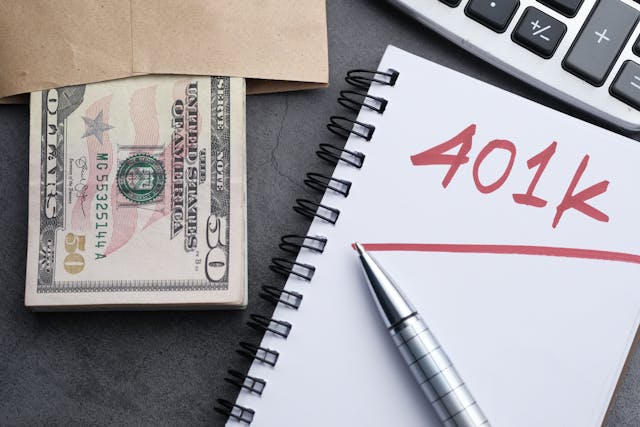
Q: Can I buy a mortgage note with my retirement account?
A: Absolutely! Many investors use self-directed IRAs to purchase notes. This can be a tax-advantaged way to grow your retirement savings while diversifying your portfolio. Just be sure to work with a custodian who understands real estate-related investments.
Q: What happens if the borrower stops paying?
A: This is where your strategy comes into play. If a borrower defaults, you have options. You could negotiate a loan modification, accept a deed in lieu of foreclosure, or pursue foreclosure to take control of the property. The route you choose depends on your investment goals and the specific situation.
Q: How do I evaluate if a note is worth buying?
A: Evaluating a note requires a good look at the “three P’s”: the property, the paperwork, and the payer. Check the property’s value, condition, and market trends. Review the terms of the note (interest rate, loan balance, etc.) and ensure all paperwork is solid. Lastly, assess the borrower’s payment history and creditworthiness.

Q: Is note investing a passive or active investment?
A: It can be either, depending on your approach. Buying performing notes and holding them for cash flow is relatively passive. On the other hand, working with non-performing notes often involves active management, like renegotiating terms or handling foreclosure. You can tailor your level of involvement to suit your lifestyle.

Q: Are there tax benefits to note investing?
A: Yes! One of the perks of note investing is its favorable tax treatment. For example, interest income from notes can sometimes be offset by other expenses, and you may qualify for long-term capital gains tax rates if you sell a note after holding it for a year or more. Consulting a tax professional can help you maximize your benefits.
Q: What’s the best way to learn about note investing before jumping in?
A: Start by reading books, taking online courses, and attending webinars. Engage with note investing forums and connect with experienced investors who are willing to share their knowledge. There are also mentorship programs and coaching services specifically tailored to note investors.
Q: Why aren’t more people talking about mortgage note investing?
A: Honestly, it’s a bit of a hidden gem! Most people are familiar with traditional real estate investing, but notes operate in a smaller niche. However, as more investors discover the benefits—like cash flow and lower maintenance—it’s steadily gaining popularity.
What about you? What’s the one thing you’ve always wanted to know about note investing?